
Winter Eye Comfort: Managing Dryness Beyond Eye Drops
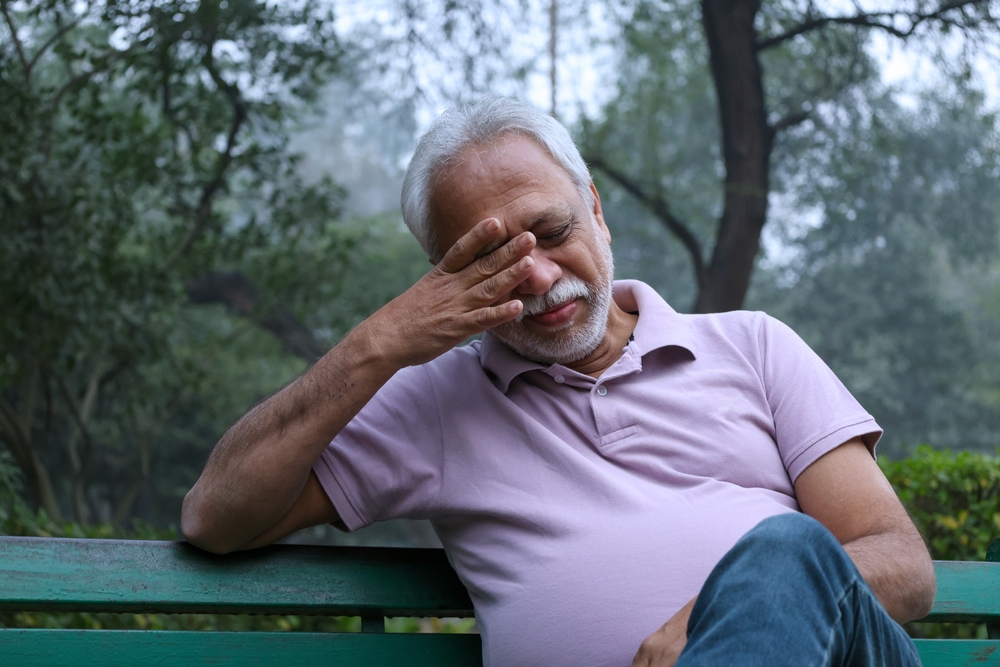
Winter in Grayslake, IL, brings cold temperatures, dry air, and increased indoor heating, all of which can make dry eye symptoms more noticeable. If your eyes feel gritty, irritated, or tired during the colder months, you may find yourself reaching for artificial tears more often.
While eye drops can provide temporary relief, they may not address the underlying cause of your discomfort. At Vision Care Associates - Grayslake, we help patients understand their dry eye symptoms and explore ways to maintain healthier, more comfortable eyes throughout winter.
Why Does Winter Make Dry Eyes Worse?
Cold outdoor air typically holds less moisture, while indoor heating can further reduce humidity. These conditions may cause tears to evaporate faster, leaving your eyes feeling dry and irritated.
Winter activities can also contribute to discomfort. Spending more time indoors using computers, watching television, or reading can reduce how frequently you blink, allowing tears to evaporate between blinks.
Common symptoms of winter dry eye include burning, redness, fluctuating blurry vision, and a gritty sensation. Some patients also experience excessive watering as their eyes respond to irritation.
Simple Ways to Manage Winter Dry Eyes
Making small adjustments to your daily routine can help protect your tear film and reduce irritation. We recommend several practical steps for managing dry eyes during winter:
Use a humidifier: Adding moisture to indoor air can help reduce tear evaporation, particularly in heated rooms.
Avoid direct airflow: Keep heating vents, fans, and car heaters from blowing directly toward your face.
Take screen breaks: Follow the 20-20-20 rule and remember to blink fully when using digital devices.
Wear protective eyewear: Wraparound sunglasses can help shield your eyes from cold winds when spending time outdoors.
Apply warm compresses: Gentle warmth may help support the oil-producing glands along your eyelids.
Stay hydrated: Drinking enough water supports your overall health, including normal tear production.
These habits can improve everyday eye comfort, although persistent symptoms may require professional treatment.
When Eye Drops Are Not Enough
If you regularly use artificial tears but still experience dryness, the problem may involve more than environmental conditions.
One common cause of dry eye disease is meibomian gland dysfunction (MGD). These glands produce the oily layer of your tears, which helps prevent moisture from evaporating too quickly. When they become blocked or function poorly, your tears may not adequately protect your eyes.
At our Grayslake practice, we evaluate your symptoms and eye health to help identify factors contributing to your discomfort. Understanding the underlying cause allows us to recommend treatment options based on your individual needs.
Professional Dry Eye Treatment in Grayslake, IL
For patients with ongoing dry eye symptoms, professional care may provide relief beyond what over-the-counter eye drops can offer.
At Vision Care Associates - Grayslake, we offer dry eye treatment options, including OptiLight by Lumenis. This intense pulsed light (IPL) treatment is designed to help manage dry eye disease associated with meibomian gland dysfunction in eligible adults.
OptiLight targets inflammation around the eyes and may help improve meibomian gland function. However, it is not appropriate for everyone, and treatment recommendations depend on your symptoms, examination findings, and overall eye health.
If winter dryness is affecting your daily comfort, schedule a dry eye evaluation at Vision Care Associates - Grayslake in Grayslake, IL, by calling (847) 223-2000. Our team can help you explore personalized solutions for more comfortable eyes throughout the season.
Helpful Articles
All Eye Care Services
Find personalized eye care excellence with our comprehensive services. From eye exams to advanced diagnostics, trust us for all your vision needs.
Keep In Touch
For non-urgent questions or to learn more about our services, contact us today!
© 2026 Vision Care Associates - Grayslake. All rights Reserved - Accessibility Statement - Privacy Policy - Sitemap
Managed and Designed by 