
Is Hard-to-Fit Vision Holding You Back? How Specialty Contact Lenses Change Daily Life in Grayslake
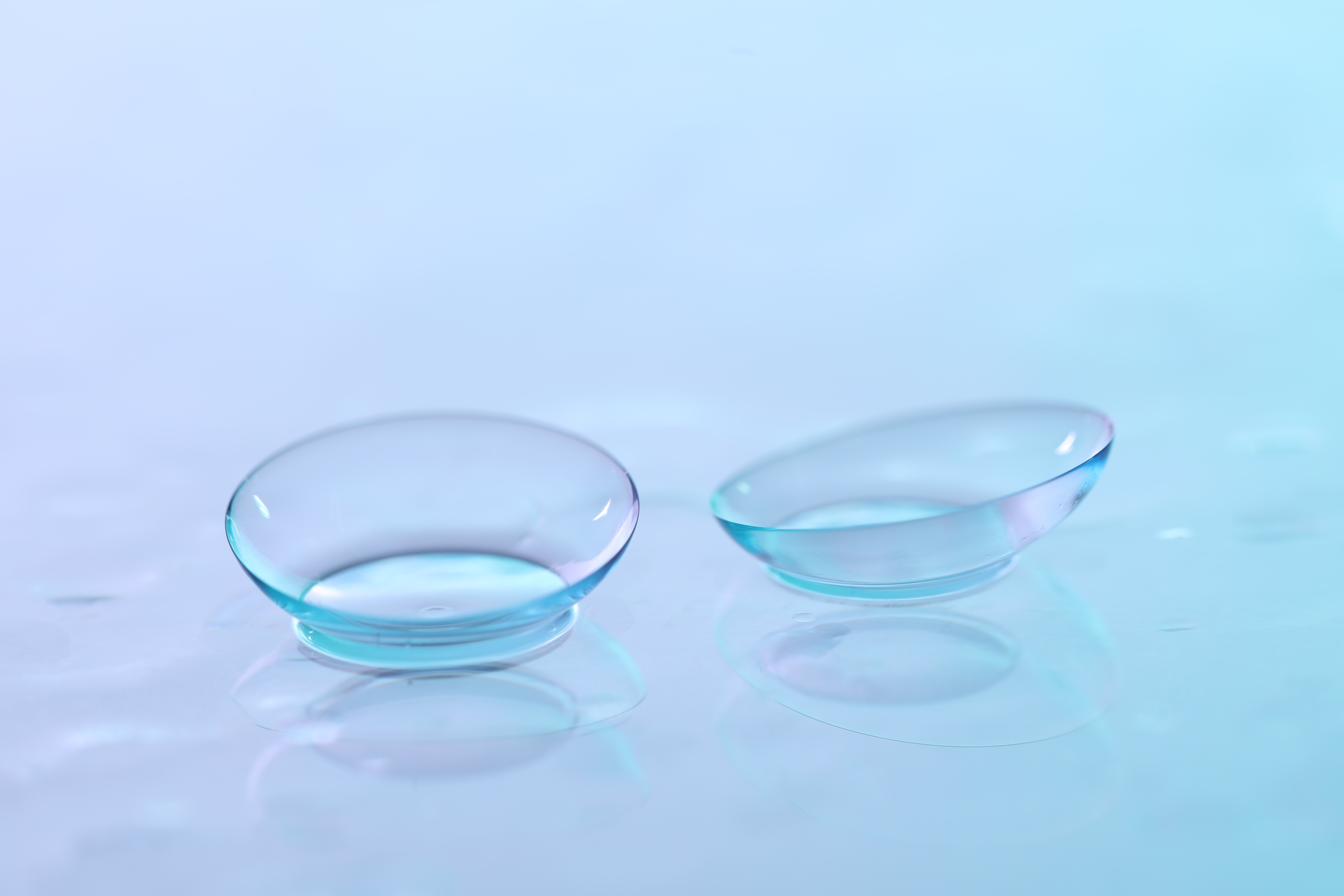
Contact lenses should make everyday life easier, not leave you dealing with blurry vision, dryness, or discomfort by mid-afternoon. Yet standard soft contacts do not work equally well for every eye. Keratoconus, irregular corneas, significant dry eye, astigmatism, and other visual needs can make conventional lenses harder to tolerate.
At Vision Care Associates - Grayslake, we help patients explore specialty contact lens options when standard contacts are no longer providing the clarity or comfort they need.
What Does "Hard to Fit" Mean?
Being considered hard to fit does not mean you cannot wear contact lenses. It usually means your eyes require a more individualized approach.
Standard contacts are manufactured to fit a broad range of common prescriptions and corneal shapes. When the surface of the eye is irregular or the tear film is unstable, those lenses may move differently, become uncomfortable, or fail to provide consistent vision.
A specialty contact lens evaluation allows us to consider more than prescription strength. We also evaluate eye health, lens fit, corneal shape, tear quality, and how your current lenses perform throughout the day.
Signs Standard Contacts May Not Be Working
Contact lens discomfort should not automatically be accepted as normal. You may benefit from discussing specialty contact lenses if you regularly experience:
Burning, dryness, or a gritty feeling during lens wear
Blurry or fluctuating vision that changes throughout the day
Difficulty achieving sharp vision with standard contacts
Keratoconus or another irregular corneal condition
Contacts that become uncomfortable long before you are ready to remove them
These symptoms can have several causes, so an eye exam is important before simply switching lens brands.
How Can Scleral Lenses Help?
Scleral lenses are larger rigid gas permeable lenses that rest on the white portion of the eye, called the sclera, while vaulting over the cornea.
Before insertion, the lens is filled with sterile preservative-free saline. This creates a fluid reservoir between the lens and cornea during wear. For selected Grayslake patients, that design can provide a smoother optical surface and maintain moisture over a sensitive or irregular cornea.
Scleral lenses may be particularly helpful for patients with keratoconus, significant dry eye, or irregular corneas who struggle with traditional contacts.
They do not treat every underlying cause of dry eye or corneal disease, but they can become an important part of a personalized vision and ocular surface care plan.
How Can Specialty Contacts Change Daily Life?
Clearer, more stable vision can make routine activities feel less demanding. Reading signs while driving, working on a computer, exercising, or simply making it through a full workday can become frustrating when contacts repeatedly blur or dry out.
A well-fitted specialty lens may reduce the need to constantly adjust, remove, or replace uncomfortable contacts. For some patients, this means returning to activities they had begun avoiding because their vision correction was unreliable.
Results vary, and no lens can guarantee perfect all-day comfort. The goal is to find an option that better matches your individual eyes.
Why Does Custom Fitting Matter?
Specialty contacts require precise measurements and follow-up. With scleral lenses, we evaluate factors such as lens size, curvature, corneal clearance, and how the lens rests on the sclera.
Follow-up appointments allow us to check vision, comfort, eye health, and whether adjustments are needed. Proper insertion, removal, cleaning, and filling techniques are also essential for safe wear.
Never rinse or fill contact lenses with tap water, and do not continue wearing a lens that causes significant pain, redness, or sudden vision changes.
If standard contacts are holding you back, contact Vision Care Associates - Grayslake at 1120 E Washington St., Grayslake, IL 60030 by calling (847) 223-2000 to schedule a specialty contact lens evaluation and find a more personalized fit.
Helpful Articles
All Eye Care Services
Find personalized eye care excellence with our comprehensive services. From eye exams to advanced diagnostics, trust us for all your vision needs.
Keep In Touch
For non-urgent questions or to learn more about our services, contact us today!
© 2026 Vision Care Associates - Grayslake. All rights Reserved - Accessibility Statement - Privacy Policy - Sitemap
Managed and Designed by 